
Winter Is Coming in Game of Thrones Power Survival and Fate
A three-word family motto should not be able to carry an entire fantasy epic. Yet “Winter is coming” does exactly that in Game of Thrones. It begins as the grim saying of House Stark, carved into the identity of the North. By the end of the series, it has become a warning about politics, climate, memory, death, and human denial.
The phrase works because it is simple. Winter comes whether kings plan for it or not. It does not care who sits on the Iron Throne. It does not pause for wars, weddings, betrayals, or revenge. In a story filled with schemers chasing power, “Winter is coming” reminds us that survival may matter more than victory.
For fans, the words evoke Ned Stark’s honor, Jon Snow’s lonely duty, Sansa Stark’s hard-earned realism, Arya Stark’s refusal to be helpless, and Bran Stark’s strange burden of memory. For newcomers, the motto is a key to understanding why Game of Thrones feels so tense from its first scene. The danger is never only what happens in the throne room. It is what waits in the dark.
For official background on the series, HBO’s main Game of Thrones page remains a useful starting point: HBO’s Game of Thrones guide. For book-based lore on House Stark and the motto, A Wiki of Ice and Fire’s House Stark entry offers detailed context.

The Stark words are a warning before they are a slogan
“Winter is coming” is the motto of House Stark, the ruling family of Winterfell and the North. Most noble houses in Westeros use words that sound proud, aggressive, or self-glorifying. House Baratheon declares, “Ours is the Fury.” House Lannister is officially known for “Hear Me Roar,” even if the more famous saying is about paying debts. House Tyrell says, “Growing Strong.”
The Starks sound different. Their words do not boast. They prepare.
That difference tells us almost everything about the North. Winter in Westeros is not a mild inconvenience. Seasons can last for years. Snow can bury roads, isolate castles, destroy harvests, and kill the unprepared. In the North, survival depends on memory. People live because their ancestors learned what happens when they forget.
So the Stark motto carries several meanings at once:
The literal warning
Cold, hunger, and darkness will return.
The moral warning
Comfort makes people careless.
The political warning
Petty conflicts become deadly when larger threats are ignored.
The spiritual warning
Death is never as far away as people want to believe.
This is why the phrase never feels like decoration. It shapes how the Starks see the world. Ned Stark teaches his children that duty matters because danger is real. Catelyn Stark understands the fragility of family and home. Robb Stark learns, too late, that honor and bravery do not protect a person from bad political judgment. Sansa and Arya learn that winter can also mean trauma, exile, and the loss of childhood.
The phrase also gives the series its first great contrast. In King’s Landing, power often looks like performance. People wear fine clothes, speak in riddles, flatter enemies, and hide knives behind smiles. In Winterfell, power has a harsher meaning. It means grain stores, thick walls, loyal bannermen, hard choices, and enough honesty to face bad news.
The first episode, also titled “Winter Is Coming,” makes that contrast clear from the start. The opening beyond the Wall introduces the White Walkers before most characters even know they are real. Then the story moves to Winterfell, where Ned Stark executes a deserter who fled after seeing horrors no one believes. That sequence matters because it connects law, fear, disbelief, and doom.
Ned believes a ruler must carry out the sentence personally. He wants his sons to understand the weight of justice. Yet he also fails to grasp the truth hidden inside the deserter’s fear. The man broke his oath, but he was not simply a coward. He had seen the first sign that the old stories were returning.
That is Game of Thrones in miniature. People act according to rules that seem solid, while reality shifts under their feet.
Power looks small when winter enters the story
The Iron Throne dominates much of Game of Thrones. It pulls characters toward ambition, paranoia, and violence. Robert Baratheon sits on it but cannot control the realm. Joffrey inherits it and turns cruelty into policy. Cersei Lannister clings to it as proof that she has beaten the people who underestimated her. Daenerys Targaryen crosses continents to claim it as her birthright.
Yet the title phrase judges all of them.
“Winter is coming” asks a blunt question: what is power for? If power cannot protect people from famine, invasion, supernatural threat, and political collapse, then it is only theater. Crowns, swords, and titles matter less when the dead march.
This is one of the series’ sharpest ideas. Many characters understand power as possession. They want the throne, a castle, a name, an army, a marriage pact, or revenge. The Stark warning frames power as responsibility. A ruler should prepare the living for what comes next.
Ned Stark fails in King’s Landing because he brings northern ethics into a southern court built on secrets. He understands duty, but he underestimates how far others will go to win. His downfall shows the danger of moral seriousness without political caution.
Still, Ned is not made foolish by the motto. If anything, the series later proves that his worldview was closer to the truth than his enemies knew. The realm really did need leaders who could think beyond the next round of court intrigue. The tragedy is that Ned sees the value of responsibility but not the full scale of the oncoming threat.
Tywin Lannister offers the opposite model. He sees politics with brutal clarity. He understands fear, wealth, legacy, and force. He can win wars, arrange marriages, and crush rivals. Yet his power corrodes his own family. He builds a dynasty that cannot survive his absence because it rests on intimidation instead of trust.
Cersei pushes that model even further. Her story is full of winter imagery without much winter wisdom. She expects betrayal, so she betrays first. She loves her children, but her efforts to protect them often create new dangers. By the final seasons, while others prepare for the army of the dead, Cersei treats the northern threat as another political opportunity. Her refusal to act in good faith captures one of the show’s bleakest claims: some leaders will choose advantage even when everyone is at risk.
Daenerys also tests the meaning of power. She begins as a survivor, then becomes a liberator, then a conqueror. Her best moments come when she uses power to break chains and defend people with no protector. Her worst moments come when destiny replaces judgment. “Winter is coming” challenges her claim to rule because it asks whether her vision can survive contact with limits. Dragons can burn armies, but they cannot answer every moral question.
For a broader overview of the show’s plot, cast, and cultural reach, Britannica’s Game of Thrones entry provides a concise reference.

Survival is the heart of the Stark story
The Starks begin the series as a family with a home, a name, a code, and a future. Winter takes those things apart one by one. The phrase becomes more painful because each Stark child lives through a different version of it.
Ned Stark carries the old warning into a new kind of war
Eddard “Ned” Stark is the first major character to embody the motto. He is steady, restrained, and shaped by duty. He prepares his children for a hard world, but he also shelters them inside the moral order of Winterfell.
His death changes the meaning of “Winter is coming.” Before it, the phrase sounds like ancestral wisdom. After it, winter has arrived in a human form. The world becomes colder because justice does not save him. His execution teaches the Stark children that decency alone cannot protect them.
Ned’s arc matters because he plants values that outlive him. Jon inherits his sense of duty. Robb inherits his seriousness and his vulnerability to honor. Sansa eventually learns to combine his moral memory with political skill. Arya carries his lessons about identity, even when she becomes someone far more dangerous than he imagined. Bran becomes a keeper of memory on a scale Ned could never have understood.
Ned loses the game of thrones, but he wins a deeper contest. His children survive because his teachings become part of them.
Jon Snow turns the motto into a mission
Jon Snow’s story is the clearest expression of the phrase as public duty. At the Wall, he learns that the old warning is not symbolic. The dead are real. The White Walkers are real. The stories that southern lords dismiss are moving south.
Jon’s arc forces him to choose survival over popularity. He lets the wildlings through the Wall because he understands the true enemy. This decision gets him killed by his own brothers in the Night’s Watch. That moment shows one of the series’ harshest patterns: seeing the truth early can make a leader look like a traitor.
His resurrection gives the motto even greater weight. Jon has looked past the boundary between life and death. After that, political ambition has little power over him. He does not want a crown. He wants people to stop pretending the storm will pass them by.
Hardhome is the key turning point. Jon goes north to rescue wildlings, not because it helps his reputation, but because leaving them to die would strengthen the army of the dead. The battle reveals the Night King’s power in a way no council meeting could. When the dead rise on the shore, the phrase “Winter is coming” becomes immediate. The future has a face.
Sansa Stark learns that survival requires memory and strategy
Sansa’s journey begins with dreams of southern romance. She wants songs, courtly love, beauty, and status. King’s Landing teaches her that performance can hide cruelty. Later, the Boltons teach her that home itself can become a prison.
Her survival is not passive. She watches, remembers, and adapts. By the time she returns to Winterfell, Sansa understands what Ned did not fully grasp: honor needs protection. A good heart is not enough in a world where people study weakness.
Sansa’s connection to “Winter is coming” lies in her realism. She becomes a ruler who thinks about food, loyalty, military risk, and the safety of the North. She sees through promises because she has paid for trusting them. Her rule grows from suffering, but it is not defined only by suffering. She turns memory into policy.
That is why her final role as Queen in the North feels tied to the Stark words. She does not chase the Iron Throne. She protects the place that taught her what winter means.
Arya Stark survives by becoming difficult to kill
Arya’s winter is exile. She loses family, name, safety, and childhood. While Sansa learns the dangers of court life, Arya learns the dangers of roads, prisons, taverns, battlefields, and revenge.
Her arc can look separate from the motto because she spends so much time far from Winterfell. Yet she embodies one of its core lessons: the world becomes deadly, and the unprepared die.
Arya’s training with the Faceless Men gives her skills, but it also threatens to erase her. Her refusal to stop being Arya Stark matters. Survival without identity would be another kind of death.
Her biggest connection to the winter theme comes during the Battle of Winterfell, when she kills the Night King. The moment can be debated, and fans still argue about its setup. But symbolically, it joins her entire journey to the Stark warning. The child who once watched helplessly as power destroyed her family becomes the person who ends the deadliest threat in the series.
Bran Stark becomes memory in a world tempted to forget
Bran’s story begins with a fall. He loses the life he expected and gains a stranger, heavier role. As the Three-Eyed Raven, he becomes the living memory of Westeros.
That role connects directly to “Winter is coming.” The phrase depends on memory. It means, “Do not forget what happened before.” Bran becomes that idea made flesh. He holds the past when others distort it, ignore it, or weaponize it.
His arc is also one of the most unsettling. Bran survives, but he changes so much that survival no longer looks simple. The boy from Winterfell becomes distant, almost unreadable. His fate suggests that memory has a cost. To see the scale of history, he loses part of ordinary life.
For detailed episode information and character summaries, the Game of Thrones Wiki can be useful, especially when tracking arcs across seasons.
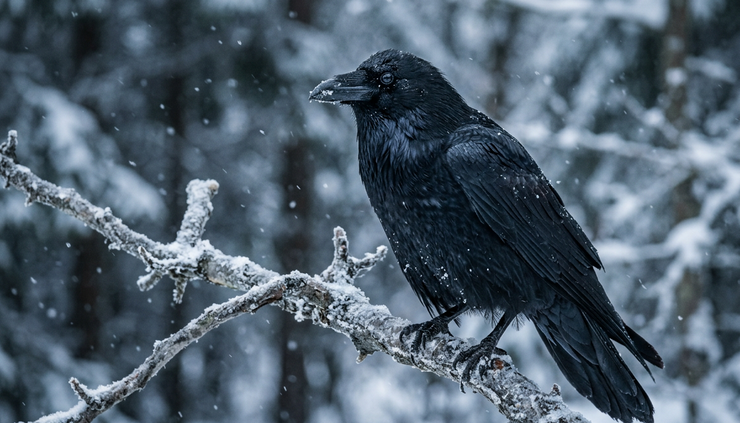
Foreboding makes the phrase feel alive
The genius of “Winter is coming” is not only what it means. It is how often the story proves it right.
From the opening scene, the series trains viewers to feel dread before characters understand why. The White Walkers appear early, then disappear for long stretches while human conflicts take center stage. That structure is deliberate. It makes the audience live with knowledge that most of Westeros lacks or refuses to accept.
This gap creates tension. We watch nobles argue about succession while a threat beyond politics grows stronger. We see kings rise and fall while the dead gather in the North. The phrase becomes a drumbeat under the plot.
Several pivotal moments sharpen that sense of foreboding.
The direwolves mark the Stark children for hard futures
In the first episode, the Stark children find direwolf pups after the death of their mother. The moment feels mysterious, almost mythic. Each pup becomes tied to a child’s identity and path.
Direwolves are ancient northern symbols, close to the wild and to older powers. Their arrival suggests that the Starks are part of something larger than court politics. They belong to a world of old magic, old blood, and old warnings.
The fate of the wolves also foreshadows loss. Lady’s death marks Sansa’s painful entry into southern politics. Grey Wind’s death at the Red Wedding mirrors Robb’s fall. Nymeria’s survival in the wild reflects Arya’s refusal to be tamed. Ghost’s bond with Jon points to loyalty, exile, and the loneliness of the North.
The Red Wedding shows that winter can be human
Not all winter comes from snow. The Red Wedding is one of the series’ most devastating events because it turns hospitality, family, and alliance into traps. Robb Stark’s campaign collapses not in open battle, but through betrayal.
The event deepens the motto’s meaning. Winter is not only a season. It is any force that strips away illusion. Robb believes military success and moral legitimacy can carry him through. He misreads resentment, pride, and political consequence.
The Red Wedding also scatters the living Starks further into their separate survival stories. After it, Winterfell is no longer just a home to reclaim. It becomes a memory under siege.
Hardhome makes denial impossible
Hardhome changes the scale of the series. Before it, the White Walkers are frightening but distant. After it, denial becomes absurd. Jon sees the dead overwhelm the living, and the Night King turns slaughtered wildlings into soldiers with a gesture.
That image defines foreboding in Game of Thrones. Death is not only an end. It is recruitment for the enemy. Every delay strengthens the threat.
Hardhome also reframes the wildlings. They are not monsters at the edge of civilization. They are people trying to survive winter before everyone else understands winter has arrived. Jon’s choice to save them becomes one of the most morally serious political acts in the series.
The Wall falls and the warning becomes reality
The Wall is more than architecture. It is a belief system. It lets Westeros imagine that danger can be contained, that old threats stay in old stories, that the South can afford to mock northern fear.
When the Wall falls, the phrase “Winter is coming” becomes “winter is here.” The boundary between myth and politics collapses. Westeros has run out of distance.
The fall also exposes how much time was wasted. Years of war have drained armies, broken houses, and deepened mistrust. The living face the dead while still carrying the wounds of their own choices.
The Battle of Winterfell tests every meaning of the phrase
The Battle of Winterfell, often called the Long Night, is the event toward which the motto has pointed since the beginning. It brings together power, survival, memory, and fear in one place.
Winterfell matters because it is the Stark home, but also because it represents preparation. Its walls, crypts, courtyards, and godswood become the stage for a fight that is physical, historical, and symbolic.
The battle tests different kinds of power:
Armies fight, but numbers fail against the dead.
Dragons burn, but fire does not solve everything.
Noble titles matter little in the dark.
Personal courage becomes as important as command.
Memory, through Bran, becomes something worth defending.
The living do not win because one ruler claims absolute control. They win because many broken stories converge. Jon brings knowledge of the threat. Daenerys brings dragons and armies. The North brings its hard memory. The wildlings bring the experience of fleeing death. Theon Greyjoy returns to defend the home he once betrayed. Jorah Mormont dies protecting Daenerys. Melisandre returns with the strange confidence of prophecy and sacrifice. Arya delivers the killing blow.
The battle also shows the limits of the phrase. “Winter is coming” builds dread so effectively that some viewers expected the conflict with the dead to reshape the entire final act of the series. When the Night King falls before the last struggle for the throne, the story shifts back to human power. This choice remains divisive.
Still, the placement makes thematic sense in one respect. The defeat of the dead does not cure the living of ambition. Survival does not automatically create wisdom. After facing extinction, people can still return to rivalry, fear, and violence. That may be the darkest lesson of all.

The phrase also warns about fate and choice
Game of Thrones often asks whether characters control their lives or move inside patterns built long before them. Family names carry weight. Prophecies shape decisions. Old wars create new hatreds. Children inherit debts, secrets, and enemies.
“Winter is coming” sits between fate and choice. Winter will come. That part is fixed. The choice is how people prepare.
This is why the phrase never means simple doom. It is grim, but not hopeless. It does not say, “Winter will kill us all.” It says, “Prepare.” The warning assumes action matters.
That distinction shapes the best character arcs.
Ned cannot stop the corruption of King’s Landing, but he can raise children who survive it. Jon cannot make people thank him for hard truths, but he can keep telling them. Sansa cannot undo her suffering, but she can become a ruler who refuses to ignore danger. Arya cannot reclaim her childhood, but she can choose her name, her family, and her future. Bran cannot change every tragedy, but he can carry memory forward.
Even Jaime Lannister brushes against this theme. He begins as a man defined by reputation, pride, and forbidden love. Over time, he learns that honor is more complicated than public judgment. His decision to ride north and fight for the living is one of his clearest attempts to choose something larger than House Lannister. Whether his final turn works for every viewer is another debate, but his journey shows the pull of the warning. Winter asks people what they are willing to defend when old loyalties crack.
Theon Greyjoy’s arc may be the most moving example of choice after failure. He betrays the Starks, helps destroy the safety of Winterfell, and loses himself under Ramsay Bolton’s torture. His return to defend Bran does not erase what he did. That is why it matters. He cannot undo the past, but he can face death in service of the home he wronged.
In that sense, the Stark motto is not only northern wisdom. It is the moral structure of the series. Fate creates pressure. Character appears in the response.
Why “Winter is coming” still defines Game of Thrones
The phrase remains powerful because it reaches beyond the plot. It captures a fear that feels familiar: people often ignore slow-moving danger until it becomes immediate. In Westeros, that danger is a supernatural winter. In real life, the phrase resonates because societies also struggle to prepare for threats that are visible but inconvenient.
That does not mean Game of Thrones is a simple allegory. It is too messy and character-driven for that. But the motto gives the story a durable shape. It says comfort is temporary. Power is fragile. Memory matters. Survival takes work. Warnings are useless if no one acts on them.
This is also why the phrase welcomes both fans and newcomers. A first-time viewer can understand it at once. A longtime fan can keep finding new layers in it.
The words describe the North, but they judge the whole realm. They belong to House Stark, but they expose every ruler. They begin as weather, then become politics, then become prophecy, then become a test of whether the living deserve to survive.
The title Winter Is Coming in Game of Thrones Power Survival and Fate fits because the phrase binds those ideas together. Power without preparation fails. Survival without memory becomes luck. Fate without choice becomes despair. The series keeps its tension alive by placing characters between what is coming and what they are willing to do about it.
The final lesson is as cold as it is useful: winter does not need to hurry. It only needs people to forget.


Comments