
Hurricane Lala Formation Path Impact and Recovery in a Changing Climate
- 4 hours ago
- 9 min read
Hurricanes are often measured by wind speed, pressure, and storm surge. People remember them differently: the sound of rain hitting plywood, the smell of soaked drywall, the moment a neighbor knocks to check if everyone is safe. Hurricane Lala carried both kinds of stories.
Because storm names, tracks, and damage assessments can vary by reporting agency and region, this overview avoids invented figures and focuses on what matters most: how a hurricane like Lala forms, why its path can change quickly, what affected communities experience, and how recovery begins long after the sky clears.

How Hurricane Lala formed over warm ocean water
Hurricane Lala began the way many tropical systems do: as a cluster of thunderstorms over warm ocean water. A tropical disturbance can organize when several ingredients come together.
Warm surface water supplies heat and moisture. Rising air helps thunderstorms grow. If winds at different heights are not tearing the system apart, the storms can wrap around a low-pressure center. Over time, that rotation can tighten. Rainbands form. The center becomes more defined. A tropical depression can become a tropical storm, and a tropical storm can strengthen into a hurricane.
The change from a messy disturbance to a dangerous hurricane is not always gradual. Some storms intensify quickly when they pass over very warm water or enter an area with low wind shear. That rapid strengthening is one reason hurricane preparation cannot wait until the last forecast update.
Lala’s development followed this familiar pattern. The storm drew energy from warm water, built a stronger core, and became better organized as thunderstorms fired around its center. Forecasters would have watched several key signs:
Central pressure
Falling pressure often shows that a storm is getting stronger.
Wind structure
A tighter wind field can concentrate damage near the center.
Rainband organization
Better-defined bands can mean a more mature storm.
Ocean heat content
Deep warm water can feed a hurricane even when surface cooling begins.
Interaction with land or dry air
Land can weaken a system, while dry air can disrupt thunderstorms.
The challenge is that hurricanes are living systems. They respond to small changes in ocean temperature, wind shear, moisture, and steering currents. A slight shift in any one of those factors can change how strong a storm becomes before landfall.
The path of Lala showed why forecasts come with cones, not lines
A hurricane track is not a single promise. It is a range of possibilities. That is why forecasts use a cone to show where the center may travel. Damage can occur far outside that cone, especially from rain, storm surge, and tornadoes.
Lala’s path, like many coastal storms, would have been shaped by large-scale steering winds. High-pressure systems can push a storm westward or block it from turning. Troughs in the atmosphere can pull a hurricane north or northeast. If steering currents weaken, a storm may slow down, which raises the risk of prolonged rainfall.
For communities in the possible path, the most stressful part is often the uncertainty. One forecast update can shift the expected landfall point. Another can expand rainfall threats inland. A coastal county may prepare for surge while a town hundreds of miles away prepares for river flooding.
That is why officials urge people not to focus only on the black line of a forecast map. The center track matters, but it does not tell the full story. A hurricane’s most dangerous impacts can spread across a wide area.

As Lala approached land, residents in exposed areas likely faced decisions that never feel simple. Stay or evacuate. Protect a home or leave quickly. Move elderly relatives, gather pets, secure boats, shut off utilities, and keep track of changing alerts.
For barrier islands and low-lying neighborhoods, storm surge would have been a leading concern. Storm surge is not just high tide. It is ocean water pushed inland by hurricane winds. It can fill streets, lift vehicles, damage foundations, and make roads impassable before the worst winds arrive.
For inland areas, flooding from heavy rain can be just as deadly. Creeks rise. Drainage systems fail. Roads wash out. A weakening hurricane can still cause major damage if it stalls or pulls tropical moisture over the same area for hours.
What residents experienced during and after the storm
The impact of a hurricane is not one event. It arrives in layers.
First comes the preparation. Then the wind and water. Then the silence after the eye or after the storm passes. After that comes the hardest part for many families: waiting for power, clean water, insurance answers, repairs, and schools to reopen.
The following resident stories are composite accounts based on common experiences reported after major hurricanes. They are not meant to identify real people, but they reflect the kinds of choices and losses storms create.
A family on the coast left before the bridges closed
Maria, a mother of two living near the coast, had ridden out tropical storms before. Lala felt different. The forecast kept mentioning surge, and local officials warned that bridges could close once winds became too strong.
She packed medications, birth certificates, snacks, phone chargers, and a favorite blanket for each child. The family left before sunrise to avoid traffic. What they remembered most was not panic, but the strange quiet of leaving home without knowing what would be there when they returned.
When they came back days later, the house was standing. The garage had flooded. Family photos stored in low boxes were ruined. The refrigerator had spoiled. A neighbor who stayed behind helped them pull wet furniture to the curb.
Their story shows a hard truth: evacuation can save lives, but it does not erase loss. It gives people the chance to come back and begin.
An inland resident faced flooding far from the beach
Derrick lived miles from the coast and did not expect severe damage. Wind knocked down branches, but the real problem came from rain. A nearby creek rose overnight. By morning, water covered the street and pushed into several homes.
He and his neighbors moved belongings to higher shelves, but the water rose too fast. Emergency crews later blocked the road, and the neighborhood waited for water to drain.
Inland flooding is one of the most underestimated hurricane hazards. People who would never stand on a beach during landfall may still drive into flooded roads or wake up to water at the door.
Turn around, don’t drown is more than a slogan. A small amount of moving water can make a road unsafe, and flood depth is hard to judge at night.
A small business owner reopened in stages
A local café owner, Sam, lost power and had roof damage. The building did not collapse, but the business could not reopen right away. Food had to be thrown out. Employees needed time to check on their own families. Repairs depended on contractors, inspections, and supply availability.
Sam first reopened with a limited menu and a borrowed generator. The café became a place where neighbors traded updates, charged phones, and found a little routine again.
After hurricanes, small businesses often become part of recovery. They provide food, jobs, supplies, and gathering places. Their return helps communities feel less frozen in crisis.
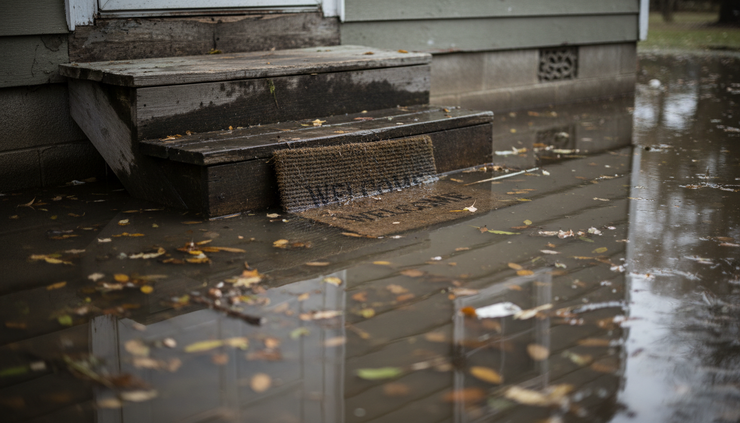
Safety tips that matter before, during, and after a hurricane
Hurricane preparedness works best when it is practical. Supplies help, but plans matter just as much.
Before the storm
Build a simple emergency kit before hurricane season reaches its peak. Store it where everyone in the home can find it.
Include:
Water
Keep enough for drinking, basic hygiene, and pets.
Shelf-stable food
Choose items that do not require cooking or refrigeration.
Medications and medical supplies
Keep prescriptions, glasses, and basic first aid items together.
Battery-powered radio and flashlights
Do not rely only on cell service.
Chargers and backup batteries
Charge devices early, then conserve battery life.
Important documents
Store copies in a waterproof bag.
Cash
Power outages can make card payments impossible.
Pet supplies
Include food, leashes, carriers, and vaccination records.
Know your evacuation zone. This is different from knowing your county or ZIP code. Storm surge zones can be very specific. Follow local evacuation orders, especially if you live in a mobile home, along the coast, near a river, or in an area that floods often.
Prepare the home if time allows. Bring in loose outdoor items. Clear drains and gutters. Protect windows if instructed. Move valuables away from low floors. Take photos of the property before damage occurs.
During the storm
Stay indoors and away from windows. Keep phones charged and volume alerts on. If water enters the home, move to a higher level, but avoid going into a closed attic unless there is a way to escape through the roof.
Do not go outside during the calm of an eye. Winds can return from the opposite direction with little warning.
Never use a generator indoors, in a garage, or near open windows. Carbon monoxide can build up quickly and cannot be seen or smelled.
After the storm
The hours after landfall can be dangerous. Floodwater may hide sharp debris, sewage, chemicals, downed power lines, or washed-out pavement.
Avoid driving unless necessary. Treat dark traffic lights as stops. Photograph damage before cleanup if it is safe to do so. Wear gloves, boots, and a mask when handling wet debris or moldy materials.
Check on neighbors when conditions are safe, especially older adults, people with disabilities, and families without transportation. Strong communities save lives before outside help can reach every street.
Recovery efforts begin with rescue, then turn into rebuilding
Recovery after Hurricane Lala would have unfolded in phases.
The first phase is emergency response. Search and rescue teams check flooded areas. Utility crews work to restore power. Public works crews clear roads. Shelters provide a safe place for people who cannot return home. Local officials share boil-water notices, curfews, debris pickup plans, and reentry rules.
The next phase is damage assessment. Homeowners, renters, business owners, insurers, nonprofits, and government agencies begin sorting out what can be repaired and what must be replaced. This stage can feel slow because many people need help at once.
Then comes long-term recovery. This is where the emotional weight often grows. A house may be dry but unlivable. A school may reopen while some students are still displaced. A family may receive partial assistance but still face gaps. Renters may struggle if affordable housing was already limited before the storm.
Recovery works best when it centers on people, not just buildings. That means:
Safe temporary housing
Clear communication from local officials
Debris removal that reaches hard-hit neighborhoods
Mental health support
Help for renters as well as homeowners
Support for small businesses and workers
Rebuilding standards that reduce future risk
Rebuilding also raises a hard question: should communities rebuild exactly as before, or rebuild stronger? Elevating homes, improving drainage, protecting wetlands, strengthening roofs, and updating flood maps can reduce future damage. These steps cost money, but repeated disasters cost money too.

Climate change is raising the stakes for hurricane intensity
Climate change does not mean every hurricane will form because of global warming. Hurricanes existed long before modern climate change. The connection is more specific, and it matters.
Warmer ocean water can provide more energy for storms. A warmer atmosphere can hold more moisture, which can lead to heavier rainfall. Sea level rise makes storm surge more damaging because water starts from a higher baseline. Research also suggests that rapid intensification has become a growing concern in some hurricane basins, making last-minute preparation harder.
That means a storm like Lala should not be viewed as a one-time disaster only. It is part of a broader risk pattern. Coastal and inland communities may face stronger rain events, higher surge impacts, and less time to react when storms intensify near land.
Climate change also affects recovery. If disasters become more frequent or more severe, families have less time to rebuild savings. Local governments have less time to repair infrastructure. Insurance markets become strained. Contractors and emergency services face repeated demand.
Awareness is not the same as fear. It is a reason to plan better.
Communities can reduce risk by protecting natural buffers such as wetlands and dunes, improving building codes, investing in drainage, updating evacuation planning, and making sure low-income households are not left behind. Individuals can prepare homes and documents, but public decisions shape how safe whole neighborhoods can be.
The lasting lesson from Hurricane Lala
Hurricane Lala’s story is about formation, path, impact, and recovery, but it is also about timing. The time to prepare is before the first warning. The time to evacuate is before roads flood. The time to strengthen homes and infrastructure is before the next season begins.
The storm’s path may have been shaped by atmospheric steering currents, but its human impact was shaped by choices made at every level: household, neighborhood, city, state, and nation.
The most useful lesson is simple. Treat every hurricane forecast as a call to pay attention, not a reason to wait. Build the kit. Know the zone. Listen to local officials. Check on neighbors. Support recovery after the headlines fade.
The sky clears quickly after many storms. The work of becoming safer takes longer, and it is worth starting now.
BIO: Geneva lives in NJ. He's Swiss American. He runs JGaming and JSearch.


Comments